লেকচার ০১: কোষ, প্রোটোপ্লাজম ও কোষতত্ত্ব
শিক্ষামূলক নোট: এই পৃষ্ঠা একাডেমিক জীববিজ্ঞান শেখা ও পরীক্ষার প্রস্তুতির সহায়ক।
<!– adsense-policy: consent-managed auto ads only; assessment blocks remain ad-free –>
কোষ, প্রোটোপ্লাজম ও কোষতত্ত্ব
এই পাঠে কোষকে জীবনের মৌলিক গঠনগত ও কার্যগত একক হিসেবে বোঝানো হয়েছে। প্রোটোপ্লাজম, সাইটোপ্লাজম, নিউক্লিয়াস, এককোষী-বহুকোষী জীব এবং কোষতত্ত্ব HSC Botany-এর foundation হিসেবে শেখানো হয়েছে। ইংরেজি অনুবাদ দেখতে উপরের Eng বাটনে ক্লিক করো।
পাঠের সারাংশ
কোষ হলো জীবনের মৌলিক গঠনগত ও কার্যগত একক। প্রোটোপ্লাজম হলো কোষের জীবন্ত পদার্থ। HSC পর্যায়ে প্রোটোপ্লাজমকে সাধারণত সাইটোপ্লাজম ও নিউক্লিয়াসসহ কোষের জীবন্ত অংশ হিসেবে বোঝানো হয়। কোষতত্ত্ব ব্যাখ্যা করে যে জীবদেহ কোষ দিয়ে গঠিত, কোষ জীবনের মৌলিক একক এবং নতুন কোষ পূর্ববর্তী কোষ থেকে সৃষ্টি হয়।
চিত্রভিত্তিক শেখার পথ
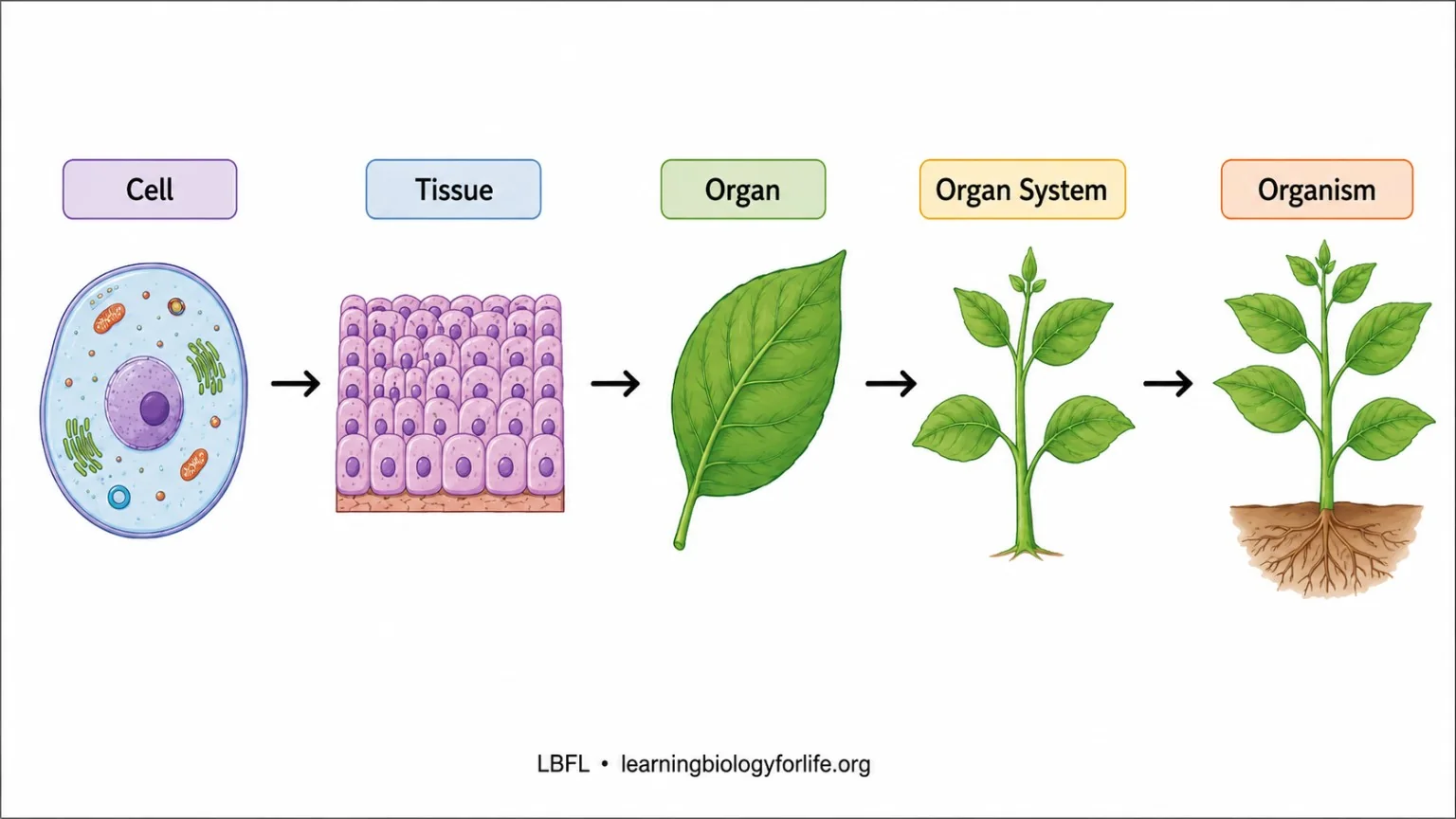
এই চিত্রগুলো কোষের গঠন, প্রোটোপ্লাজম, কোষতত্ত্ব, এককোষী-বহুকোষী জীব এবং জীবদেহের সংগঠন ধাপে ধাপে বুঝতে সাহায্য করবে।
শিক্ষাগত সীমা
এই পাঠটি HSC Biology শেখা ও পরীক্ষার প্রস্তুতির জন্য তৈরি। ভাষা সহজ করা হয়েছে, কিন্তু ধারণাগত নির্ভুলতা বজায় রাখা হয়েছে। সিলেবাসভিত্তিক নির্দিষ্ট শব্দচয়নের জন্য শিক্ষার্থীকে পাঠ্যবই, শিক্ষক ও প্রতিষ্ঠানের নির্দেশনা অনুসরণ করতে হবে।
মূল পাঠ
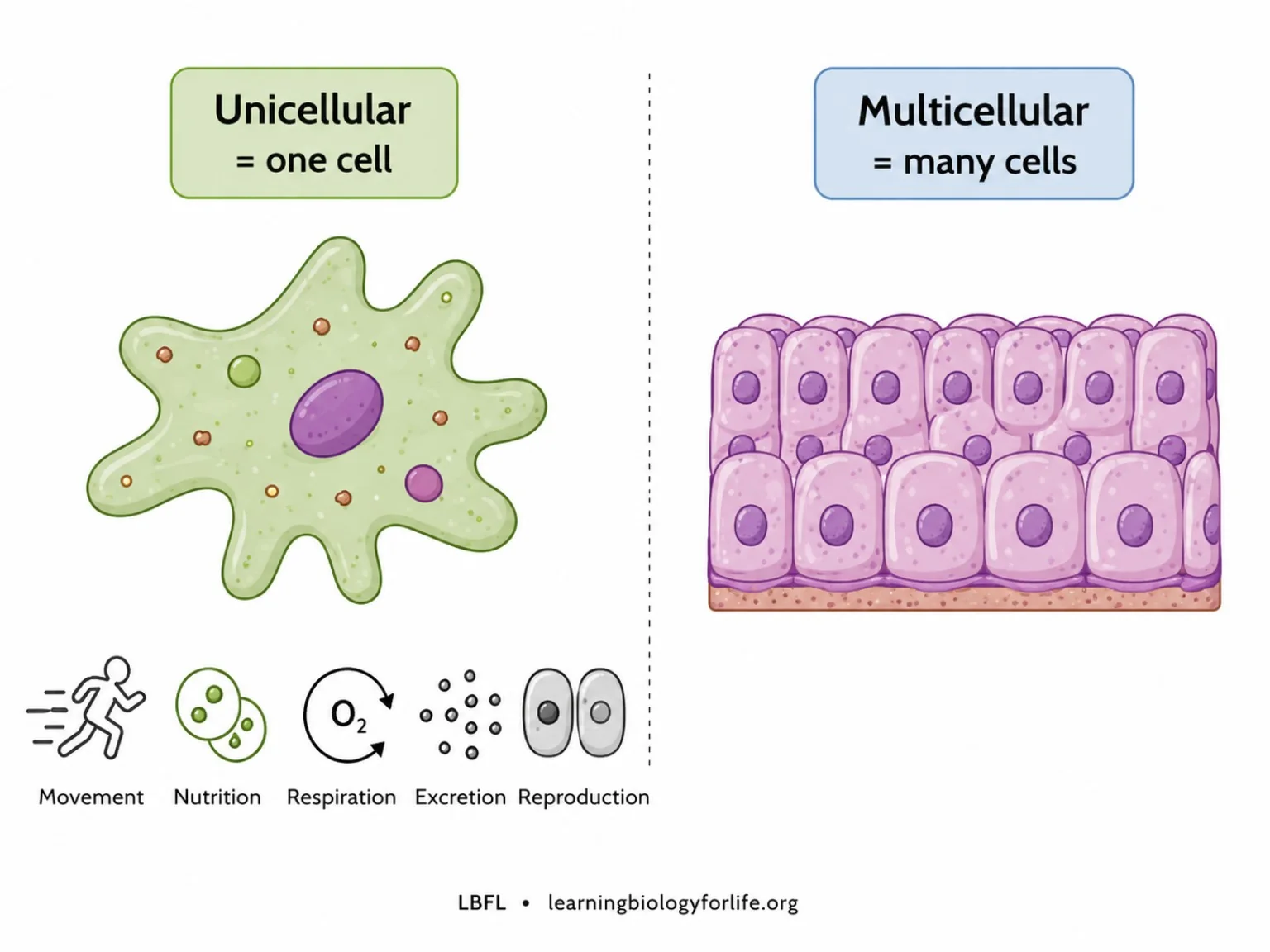
কোষ হলো জীবনের মৌলিক গঠনগত ও কার্যগত একক। প্রতিটি cellular organism এক বা একাধিক কোষ দিয়ে গঠিত। এককোষী জীব একটি কোষের মধ্যেই সব জীবনক্রিয়া সম্পন্ন করে, আর বহুকোষী জীব বহু বিশেষায়িত কোষের সহযোগিতার উপর নির্ভর করে।
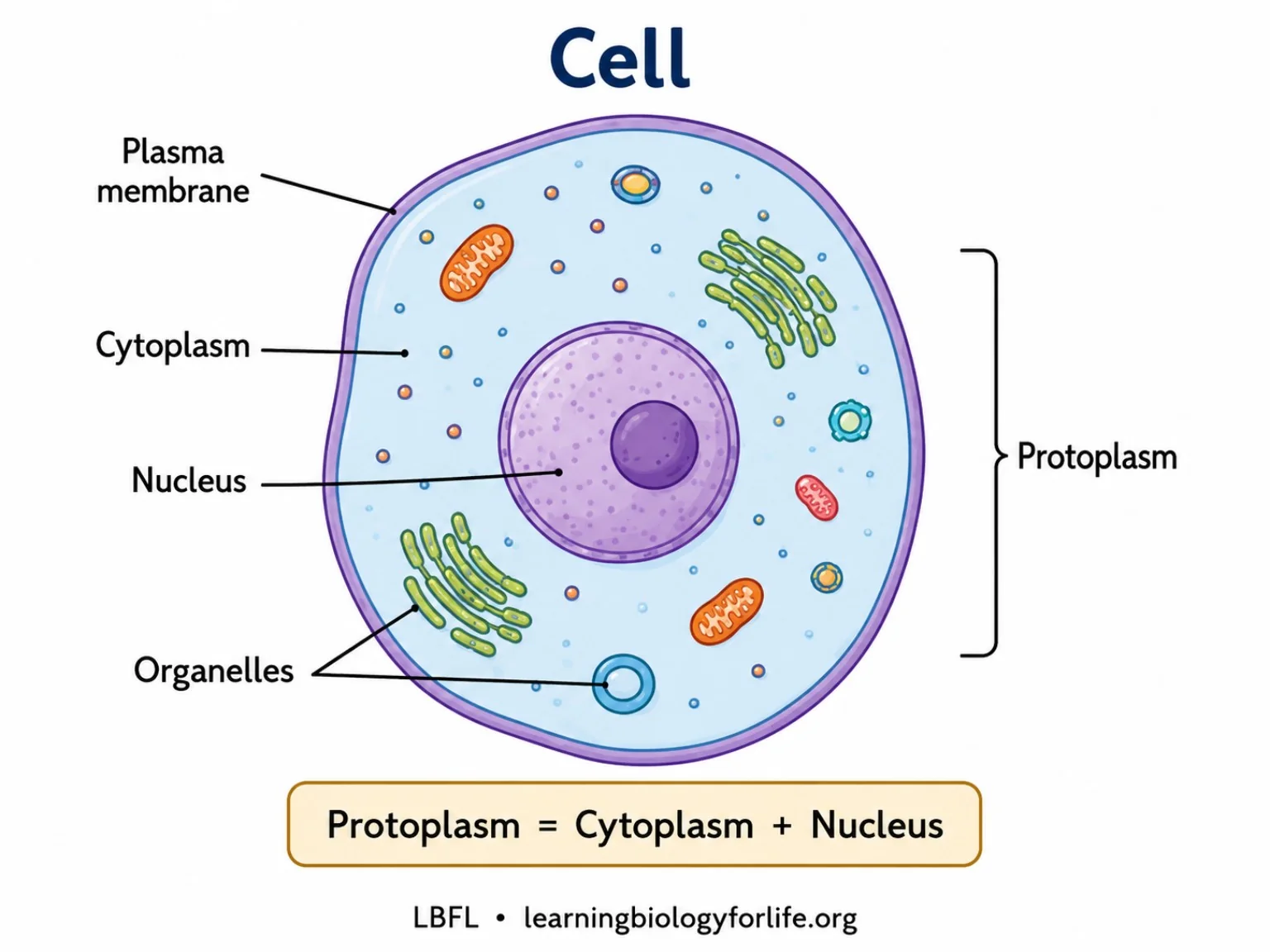
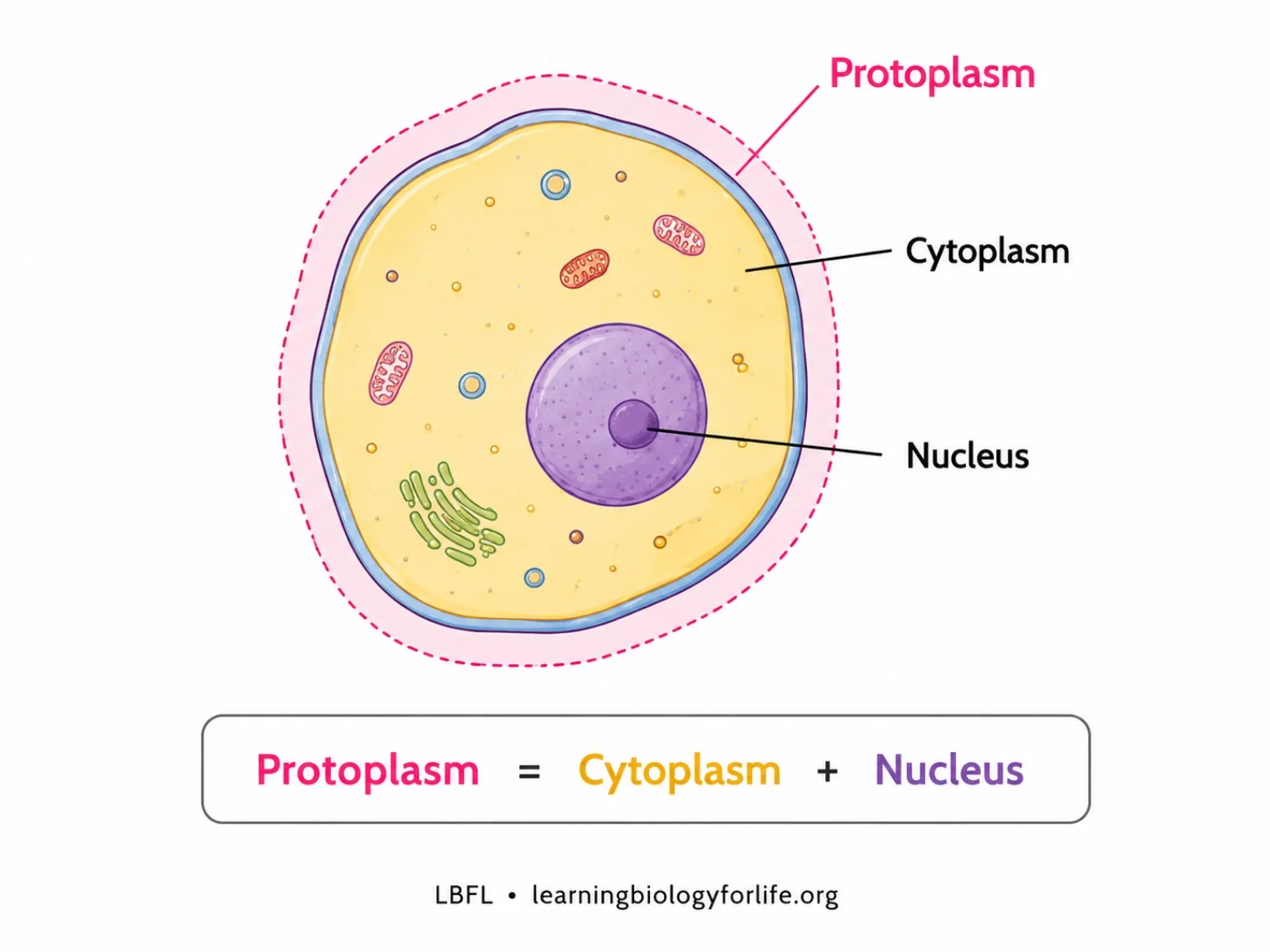
কোষের ভেতরের জীবন্ত পদার্থকে প্রোটোপ্লাজম বলা হয়। HSC Biology-তে প্রোটোপ্লাজমকে সাধারণত সাইটোপ্লাজম ও নিউক্লিয়াসসহ জীবন্ত অংশ হিসেবে বোঝানো হয়। সাইটোপ্লাজম হলো plasma membrane ও nucleus-এর মধ্যবর্তী অঞ্চল; নিউক্লিয়াস genetic information সংরক্ষণ করে এবং কোষীয় কাজ নিয়ন্ত্রণে সাহায্য করে।
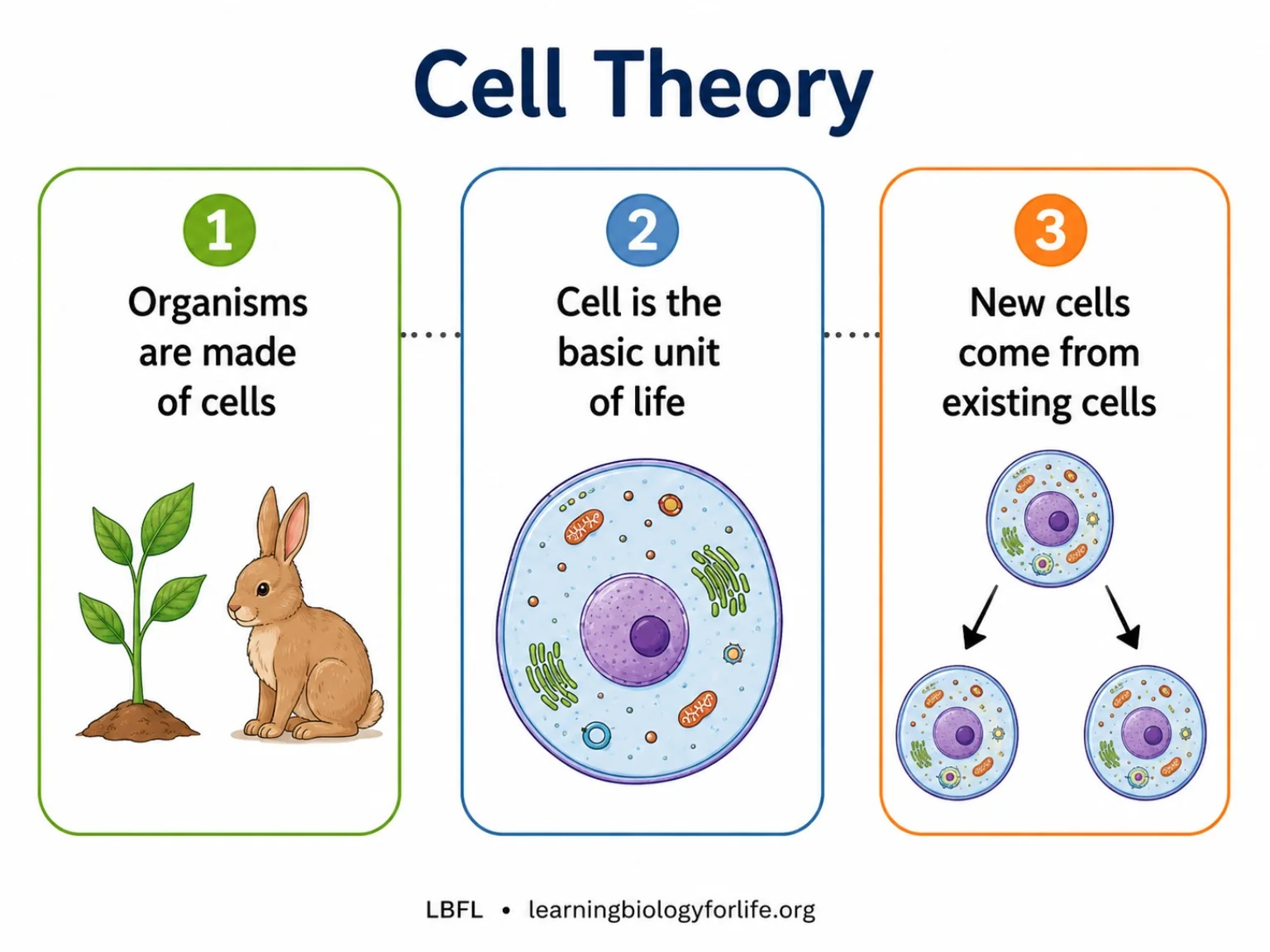
কোষতত্ত্ব জীবনের cellular foundation ব্যাখ্যা করে। এর প্রধান বক্তব্য হলো: সব living cellular organisms এক বা একাধিক কোষ দিয়ে গঠিত; কোষ জীবনের মৌলিক গঠনগত ও কার্যগত একক; এবং নতুন কোষ পূর্ববর্তী কোষ থেকে সৃষ্টি হয়।
শব্দার্থ
শিখন উদ্দেশ্য
- কোষকে সহজ জীববৈজ্ঞানিক ভাষায় সংজ্ঞায়িত করা।
- কোষকে কেন structural unit ও functional unit বলা হয় তা ব্যাখ্যা করা।
- প্রোটোপ্লাজম ও সাইটোপ্লাজমের পার্থক্য বোঝা।
- কোষতত্ত্বের প্রধান বক্তব্যগুলো লিখতে পারা।
- এককোষী ও বহুকোষী জীবের পার্থক্য ব্যাখ্যা করা।
শিখনফল
- শিক্ষার্থী কোষকে জীবনের মৌলিক একক হিসেবে ব্যাখ্যা করতে পারবে।
- শিক্ষার্থী প্রোটোপ্লাজম = সাইটোপ্লাজম + নিউক্লিয়াস ধারণাটি ব্যাখ্যা করতে পারবে।
- শিক্ষার্থী কোষতত্ত্বের তিনটি প্রধান বক্তব্য লিখতে পারবে।
- শিক্ষার্থী Amoeba-এর মতো এককোষী জীব কীভাবে এক কোষে জীবনক্রিয়া সম্পন্ন করে তা ব্যাখ্যা করতে পারবে।
শিখন কার্যক্রম
- একটি simple eukaryotic cell diagram পর্যবেক্ষণ করো।
- plasma membrane, cytoplasm, nucleus ও protoplasm শনাক্ত করো।
- কোষতত্ত্বের তিনটি বক্তব্য লিখো।
- Amoeba ও human body-এর cell number তুলনা করো।
- Cell → Tissue → Organ → Organ System → Organism flowchart আঁকো।
DOT — ধারণা পরিষ্কারকরণ
কোষ হলো জীবনের মৌলিক গঠনগত ও কার্যগত একক। “গঠনগত একক” অর্থ জীবদেহ কোষ দিয়ে গঠিত। “কার্যগত একক” অর্থ মৌলিক জীবনক্রিয়া কোষের মাধ্যমে সম্পন্ন হয়।
প্রোটোপ্লাজম হলো কোষের জীবন্ত পদার্থ। HSC পর্যায়ে এটি সাধারণত সাইটোপ্লাজম ও নিউক্লিয়াসসহ জীবন্ত অংশ বোঝাতে ব্যবহৃত হয়।
মূল সূত্র: প্রোটোপ্লাজম = সাইটোপ্লাজম + নিউক্লিয়াস
কোষতত্ত্বের প্রধান বক্তব্য: সব cellular organisms এক বা একাধিক কোষ দিয়ে গঠিত; কোষ জীবনের মৌলিক একক; নতুন কোষ পূর্ববর্তী কোষ থেকে সৃষ্টি হয়।
LINE — প্রয়োগ ও সংযোগ
কোষতত্ত্ব biology-এর প্রায় সব পরবর্তী অধ্যায়ের সাথে যুক্ত। Tissue হলো similar cells-এর দল; organ হলো tissues-এর সংগঠিত রূপ; genetics হলো কোষে সংরক্ষিত hereditary information-এর অধ্যয়ন; আর cell division বোঝায় কীভাবে নতুন কোষ তৈরি হয়।
প্রোটোপ্লাজম ধারণা শিক্ষার্থীকে বুঝতে সাহায্য করে যে কোষ কোনো খালি বাক্স নয়; এটি living material, chemical reactions, genetic information, organelles, membranes ও energy systems নিয়ে গঠিত একটি জীবন্ত ব্যবস্থা।
CIRCLE — জীবন-সংযোগ
কোষ শেখায় যে বড় জীবন্ত ব্যবস্থা ছোট সংগঠিত একক দিয়ে তৈরি। শেখার ক্ষেত্রেও একটি clear concept হলো foundation। একটি DOT বোঝা না গেলে LINE তৈরি হয় না; LINE তৈরি না হলে CIRCLE সম্পূর্ণ হয় না।
গভীর চিন্তার বাক্স
শুধু জিজ্ঞাসা করো না: কোষ কী?
আরও জিজ্ঞাসা করো: একটি কোষ কীভাবে জীবিত হতে পারে?
একটি কোষ জীবিত কারণ তার boundary, organization, chemical activity, genetic information এবং response করার ক্ষমতা আছে।
ধারণা-তালিকা
| Term | বাংলা অর্থ | গভীর অর্থ |
|---|---|---|
| Cell | জীবনের মৌলিক একক | Smallest organized living system |
| Protoplasm | কোষের জীবন্ত পদার্থ | Active internal material of the cell |
| Cytoplasm | নিউক্লিয়াসের বাইরের অংশ | Main working area of the cell |
| Nucleus | নিয়ন্ত্রণ কেন্দ্র | Genetic information সংরক্ষণ করে |
| Cell Theory | কোষীয় জীবনের তত্ত্ব | Unity, growth ও continuity ব্যাখ্যা করে |
প্রোটোপ্লাজম বনাম সাইটোপ্লাজম
| Feature | Protoplasm | Cytoplasm |
|---|---|---|
| Basic meaning | কোষের জীবন্ত পদার্থ | নিউক্লিয়াসের বাইরের cell region |
| Includes | সাইটোপ্লাজম + নিউক্লিয়াস | cytosol, organelles ও dissolved substances |
| Scope | Broader | Narrower |
| Beginner formula | Protoplasm = cytoplasm + nucleus | Cytoplasm = part outside nucleus |
Flowchart
সাধারণ ভুল
দ্রুত পুনরালোচনা
শিক্ষার্থীর মূল শিক্ষা
কোষ হলো জীবনের foundation। প্রোটোপ্লাজম কোষের living substance বোঝায়, আর কোষতত্ত্ব বোঝায় কেন কোষ জীবনের মৌলিক একক।
Interactive MCQ Practice
সব ১০টি প্রশ্নের উত্তর নির্বাচন করে উত্তর জমা দাও চাপো। তারপর score, correct answer ও explanation দেখা যাবে।
1. জীবনের মৌলিক গঠনগত ও কার্যগত একক কোনটি?
2. প্রোটোপ্লাজম বলতে কী বোঝায়?
3. Cytoplasm কোথায় থাকে?
4. নিচের কোনটি cell theory-এর বক্তব্য?
5. Amoeba কোন ধরনের জীব?
6. Modern cell theory অনুযায়ী নতুন cell কোথা থেকে আসে?
7. HSC simplification অনুযায়ী protoplasm কোন relation দিয়ে বোঝানো যায়?
8. Unicellular organism-এ একটি cell কী করে?
9. Multicellular organism-এর tissue কী দিয়ে গঠিত?
10. Cell theory-এর functional-unit ধারণা কী বোঝায়?
কোষ, প্রোটোপ্লাজম ও কোষতত্ত্ব সৃজনশীল প্রশ্ন
CQ Stimulus
একজন শিক্ষার্থী microscope-এ Amoeba দেখল। শিক্ষক বললেন, Amoeba এক কোষের জীব হলেও এটি চলাচল, খাদ্যগ্রহণ, শ্বসন, বর্জ্য অপসারণ ও প্রজনন করতে পারে। পরে শিক্ষার্থী একটি plant tissue দেখল, যেখানে অনেক কোষ একসাথে সাজানো ছিল।
প্রশ্ন
ক. কোষ কী?
খ. প্রোটোপ্লাজমকে কোষের জীবন্ত পদার্থ বলা হয় কেন?
গ. Amoeba কীভাবে এককোষী জীব হিসেবে জীবনক্রিয়া সম্পন্ন করে?
ঘ. বহুকোষী জীব বোঝার ক্ষেত্রে cell theory-এর গুরুত্ব বিশ্লেষণ করো।
মডেল উত্তর
ক. কোষ হলো জীবনের মৌলিক গঠনগত ও কার্যগত একক।
খ. প্রোটোপ্লাজম কোষের living substance, কারণ এতে cellular activities-এর জন্য প্রয়োজনীয় active living material থাকে। HSC পর্যায়ে এটি cytoplasm ও nucleusসহ বোঝানো হয়।
গ. Amoeba এককোষী। তার একটিমাত্র কোষ movement, nutrition, respiration, excretion ও reproduction সম্পন্ন করে। cytoplasm internal reaction-এ, plasma membrane exchange-এ এবং nucleus control-এ সাহায্য করে।
ঘ. Cell theory দেখায় যে multicellular organisms কোষ দিয়ে গঠিত। specialized cells মিলে tissues, tissues মিলে organs এবং organs মিলে organ systems তৈরি করে। তাই বড় জীবদেহের ভিত্তি হলো cellular organization।
তথ্যসূত্র
- Standard HSC Biology textbook discussion on cell, protoplasm and cell theory.
- Standard cell biology references.
- General historical references on cell theory and protoplasm.
- LBFL original educational diagram.